
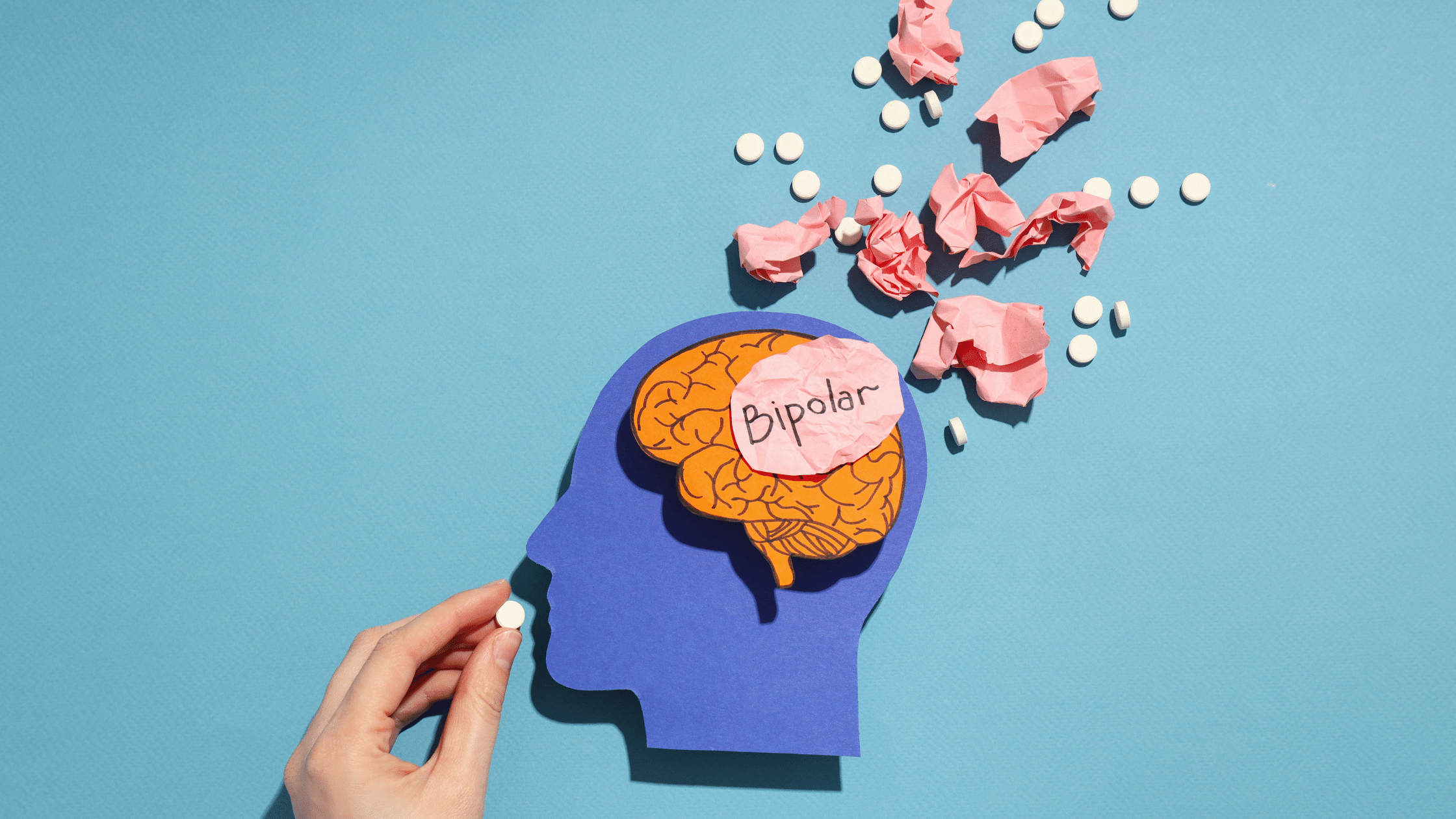
Understanding Bipolar Disorder
Bipolar disorder, also known as manic depression, is a mental health condition characterized by extreme shifts in mood, energy, and activity levels. Individuals with bipolar disorder experience intense emotional states that may range from manic highs to depressive lows. This condition can significantly impact a person’s daily life, relationships, and overall well-being.
Did You Know? Bipolar disorder affects approximately 2.8% of the adult population in the United States.
Bipolar treatment in Honolulu, Hawaii
Honolulu, Hawaii is at the forefront of providing innovative and comprehensive treatment options for individuals dealing with bipolar disorder. The city offers a range of innovative treatment options and supportive care services to cater to the diverse needs of individuals with bipolar disorder.
Innovative Treatment Options
In Honolulu, individuals with bipolar disorder have access to a variety of innovative treatment options tailored to address their unique symptoms and challenges. From medication management to therapy and alternative treatments, Honolulu provides a holistic approach to managing bipolar illness.
Supportive Care Services
Healthcare facilities in Honolulu, Hawaii are dedicated to providing comprehensive care and support for individuals living with bipolar disorder. These services encompass not only medical treatment but also emotional support, education, and resources for both patients and their families. The compassionate approach of healthcare providers in Honolulu contributes significantly to the overall well-being of individuals grappling with bipolar disease.
The Benefits of Ketamine Therapy
Immediate Mood Stabilization
- Ketamine treatment swiftly stabilizes the mood of individuals grappling with bipolar disorder, offering a rapid reprieve from the intense emotional fluctuations associated with the condition.
Reduction in Suicidal Ideation
- Research has demonstrated that ketamine therapy leads to a notable reduction in suicidal thoughts and ideation among individuals battling bipolar disorder. This promising effect on suicidal tendencies underscores the potential of ketamine as a valuable intervention in managing the most severe symptoms of this mental health condition.
By integrating innovative ketamine therapy into the treatment landscape for bipolar disorder, individuals can experience immediate relief from mood disturbances and a decrease in the intensity of suicidal thoughts.
Promoting Neural Plasticity
Understanding Neural Plasticity
Neural plasticity, also known as brain plasticity or neuroplasticity, refers to the brain’s remarkable ability to reorganize itself by forming new neural connections throughout life. This process allows the brain to adapt to new experiences, learn new information, and recover from injuries. In the context of bipolar disorder, understanding neural plasticity is crucial as it sheds light on the brain’s capacity to adapt and change in response to various treatments and interventions.
Impact of Ketamine Therapy
Ketamine therapy has emerged as a significant contributor to promoting neural plasticity in individuals with bipolar disorder. By influencing the brain’s neuroplastic capabilities, ketamine therapy facilitates the establishment of new neural pathways that support emotional regulation and stability. This impact on neural flexibility plays a pivotal role in improving outcomes for individuals navigating the challenges of bipolar disorder, offering hope for enhanced symptom management and overall well-being.
By harnessing the potential of ketamine therapy to promote neural plasticity, individuals with bipolar disorder can embark on a path towards greater resilience and improved neurological function.
Long-Term Symptom Management
Ketamine therapy plays a crucial role in the long-term management of chronic symptoms associated with bipolar disorder. Unlike some traditional treatments that may only address acute episodes, ketamine therapy offers sustained relief from the persistent symptoms that individuals with bipolar disorder often experience.
Chronic Symptom Management
- Ketamine therapy provides ongoing support for symptom control, helping individuals maintain stability and manage the day-to-day challenges associated with bipolar disorder. This long-term approach to symptom management is essential for promoting a more consistent and balanced quality of life.
- The unique mechanism of action of ketamine enables it to target chronic symptoms such as mood disturbances, cognitive difficulties, and fluctuations in energy levels. By addressing these enduring challenges, ketamine therapy contributes to a more sustainable and predictable symptom relief for individuals living with bipolar disorder.
Improving Quality of Life
- Long-term ketamine therapy goes beyond merely managing symptoms; it actively works towards enhancing the overall quality of life for individuals with bipolar disorder. By providing continuous relief from the burdensome symptoms of the condition, ketamine therapy empowers individuals to engage more fully in their daily activities, relationships, and personal pursuits.
Did You Know? Long-term ketamine therapy has been shown to not only alleviate symptoms but also improve social functioning and overall well-being in individuals grappling with bipolar disorder.
Incorporating ketamine therapy into long-term treatment plans can significantly enhance the quality of life for those navigating the complexities of bipolar disorder by offering sustained symptom relief and fostering greater emotional stability.
Call to Action for Exploring Ketamine Therapy
Seeking Professional Guidance
If you or a loved one is considering ketamine therapy as a potential treatment for bipolar disorder, it is crucial to seek guidance from qualified healthcare professionals. Consulting with experienced mental health specialists and physicians who have expertise in administering ketamine treatment can provide valuable insights into the suitability of this therapeutic approach for managing bipolar symptoms. These professionals can offer personalized assessments and recommendations based on individual needs, ensuring that the decision to pursue ketamine therapy is well-informed and aligned with the best interests of the patient.
Advocating for Access to Ketamine Therapy
In addition to seeking individualized guidance, advocating for broader access to ketamine therapy is essential in expanding treatment options for individuals grappling with bipolar disorder. By raising awareness about the benefits of ketamine treatment and supporting initiatives aimed at increasing its availability, individuals, families, and mental health advocates can contribute to creating more inclusive and comprehensive care pathways. Empowering more individuals to access evidence-based ketamine therapy can positively impact the management of bipolar disorder on a larger scale, fostering hope and improved outcomes within the community.
Conclusion
Exploring the potential of ketamine therapy presents a hopeful pathway to stability for individuals grappling with bipolar disorder. By integrating innovative treatment options like ketamine therapy, individuals can seek relief from the challenges posed by bipolar illness and embark on a journey towards improved well-being and emotional balance. The promising effects of ketamine therapy in addressing acute symptoms, promoting neural plasticity, and offering sustained relief underscore its significance as a valuable addition to the comprehensive management of bipolar disorder. Embracing the possibilities offered by ketamine therapy opens new doors to enhanced care and support for those navigating the complexities of bipolar disorder.